
Food Service Extra Dimensions Restaurant
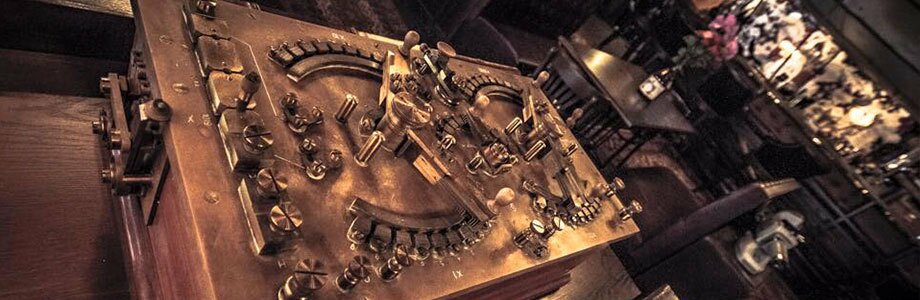
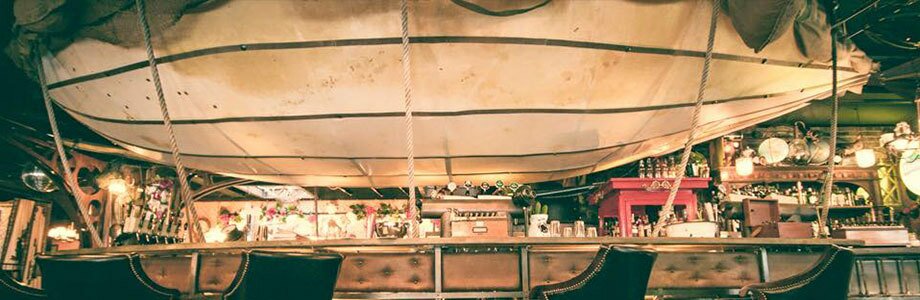
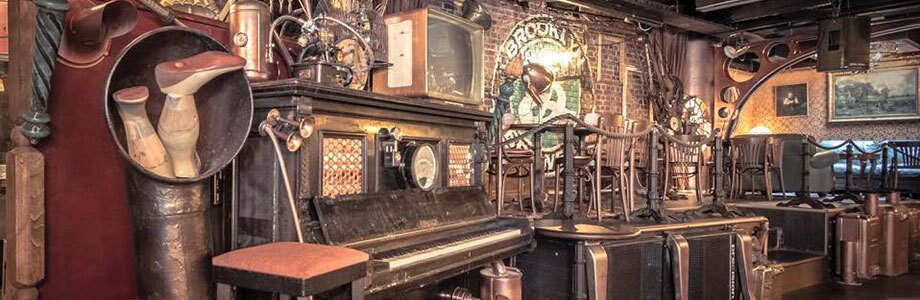
When you walk into Extra Dimensions Restaurant, you notice right away how every corner seems intentionally crafted—for comfort, efficiency, and a touch of something unexpected. You might wonder how the design choices, from the layout to the lighting, shape not only your meal but your entire experience. As you sit, you start to sense how spaces like these owe their evolution to a careful balance of history, innovation, and anticipation for what’s next.
Historical Evolution of Restaurant Design
The concept of the restaurant as a distinct entity dedicated solely to serving meals emerged in 18th century Paris, following earlier traditions of communal dining found in taverns and inns.
Over time, the arrangement of seating and furniture in these establishments evolved to accommodate varying dining experiences, from fine dining to more casual settings.
As the restaurant industry developed, considerations regarding the layout of space became increasingly important. Key factors included not just dining areas but also adequate storage, food preparation, and service zones, which contributed to the overall functionality of the establishment.
The emergence of fast food necessitated a further shift in design principles, prioritizing efficiency in service. In this context, the utilization of square footage became crucial to support quick service, takeout, and online ordering, thereby influencing the spatial design of modern restaurants.
When planning a restaurant's layout, consideration must be given to diverse dining preferences, including outdoor patios and family-friendly settings. This requires careful assessment of the available space, the number of tables, and overall capacity to ensure that the establishment meets its operational goals while accommodating customer needs.
Core Elements of Efficient Restaurant Layouts
An effective restaurant layout is crucial for maximizing both customer satisfaction and operational efficiency. Key considerations include the allocation of space for dining, food preparation, and storage. It is generally advisable to allocate approximately 60% of the total floor square footage to dining areas, which encompass tables, chairs, stools, and spaces for larger groups.
The remaining 40% should be designated for the kitchen and storage, where food preparation and inventory management take place.
Regardless of the restaurant type—be it casual dining, fine dining, outdoor patio, or fast food—optimizing the spatial arrangement is essential for enhancing both capacity and table turnover rates. This involves considering the number of tables that can be accommodated in a given area while ensuring that each table maintains an appropriate level of comfort and accessibility for guests.
Moreover, effective layouts should facilitate a seamless flow between various service areas. This includes ensuring that pathways for staff movement, as well as delivery and online ordering processes, are designed to minimize congestion and enhance operational efficiency.
The careful selection of furniture and the overall spatial arrangement contribute significantly to the guest experience, leading to higher levels of satisfaction.
In summary, a well-thought-out restaurant layout not only supports operational functions but also plays an important role in delivering a positive dining experience.
Critical Considerations for Contemporary Floor Plans
Contemporary floor plans for restaurants must adapt to the evolving dynamics of the industry, prioritizing flexibility and compliance with regulatory standards as well as addressing consumer expectations.
When assessing a restaurant project, it is essential to determine the spatial requirements for various dining settings, which may include fine dining, casual areas, and quick-service configurations.
A comprehensive evaluation of the number and arrangement of tables, chairs, stools, and other furnishings is crucial, taking into account both the total square footage and the Americans with Disabilities Act (ADA) guidelines.
Effective planning must also encompass dining areas, food preparation zones, storage facilities, and service spaces, in addition to outdoor patios and takeout sections.
Factors such as online ordering, delivery services, and family seating capacity directly impact the operational efficiency and customer experience in modern restaurant environments.
Therefore, a well-organized floor plan can facilitate both front-of-house and back-of-house operations, ultimately enhancing overall functionality and guest satisfaction.
Space Allocation and Functional Zoning
A well-designed restaurant layout is essential for optimizing both customer comfort and operational efficiency, which can significantly influence the overall success of the establishment. It is important to carefully consider space allocation and functional zoning when planning your project. For different dining experiences, such as fine dining, casual dining, or fast food, the amount of space required per customer typically ranges from 18 to 20 square feet.
The layout should also account for various service areas, including patio seating, quick service counters, back-of-house functions, and delivery zones. Furniture arrangement—incorporating chairs, stools, and tables—must be strategically planned to maximize seating capacity while maintaining an efficient flow of movement for both customers and staff.
Additionally, storage solutions for dry goods, refrigerated items, paper supplies, and cleaning materials should be situated in close proximity to preparation and service areas to facilitate smooth operational processes.
Ultimately, each component of the restaurant's floor plan contributes to the overall dining experience, encompassing family gatherings, online ordering systems, and guest interactions. A thoughtfully organized space can enhance service efficiency and customer satisfaction, reinforcing the establishment’s reputation and profitability.
Balancing Aesthetics and Operational Flow
Achieving an effective equilibrium between aesthetics and operational flow is paramount in restaurant design. A comprehensive evaluation of the project is essential, taking into account various dining environments, from casual to upscale. Key considerations include the amount of space required for seating, storage, and service areas.
The selection of furniture, such as chairs and stools, should not only enhance the restaurant's atmosphere but also align with capacity requirements. For instance, when designing areas such as patios, delivery stations, or back-of-house preparation zones, careful attention to square footage is necessary. This directly influences the quantity of tables that can be accommodated and the efficiency of service pathways.
Facilitating rapid service is critical for both in-house dining and online orders. It is vital to prioritize a layout that allows for smooth movement throughout the space, ensuring that both staff and customers can navigate efficiently.
A well-thought-out design can lead to improved operational efficiency, customer satisfaction, and ultimately contribute to the success of the restaurant.
Adapting Restaurant Spaces for Future Trends
As consumer preferences and operational requirements continue to evolve, it is imperative for restaurant spaces to adapt in order to remain competitive. A vital consideration in any restaurant project is the design of flexible spaces. This entails selecting versatile furniture such as chairs and stools that can accommodate both fine dining and casual settings.
Additionally, it is essential to prioritize features like adequate storage, efficient preparation areas, and clearly defined service zones. Outdoor patios represent an opportunity to optimize space efficiently, allowing for increased capacity and catering to family dining preferences.
The rise of online ordering and food delivery services has led to a greater demand for space dedicated to backend operations. Consequently, it is critical to evaluate the amount of space needed for food preparation and delivery activities, as well as the optimal number of tables that can be accommodated.
By focusing on innovative dining experiences and appropriately sized layouts, restaurants can effectively address current and future market demands. This strategic planning will enable them to adapt to ongoing changes within the industry.
Conclusion
When you dine at Extra Dimensions Restaurant, you'll notice the thoughtful blend of comfort and efficiency in every corner. The layout isn’t just attractive—it supports smooth service and guest enjoyment. By focusing on flexible spaces and evolving design trends, the restaurant adapts to your needs and growing expectations. As you experience the diverse menu and attentive ambiance, you’ll understand how intentional planning shapes every visit, promising memorable experiences today and continuous improvement for tomorrow.